
Auto Repair and Diagnostic Center in Spokane, WA
When your car starts making a strange noise, the check engine light comes on, or the brakes suddenly feel different, it can be stressful. You still need to get to work. You still have errands to run. And now you have a repair problem to figure out.
Our goal is simple
Help you understand the problem, explain what needs attention, and help you make an informed repair decision.
Here’s the thing. You don’t always need to guess what went wrong.
A proper inspection and diagnostic process can help narrow down the cause before you spend money on repairs. That matters when a warning light appears, or a vehicle starts behaving differently.
Spokane drivers also deal with conditions that can be hard on vehicles. Winter weather and repeated freeze and thaw cycles contribute to pothole formation in the city. The City of Spokane says moisture can enter road cracks, freeze, expand, and contribute to pavement failure.
That can make tires, wheels, steering, suspension, and alignment worth checking after a hard impact.
Auto repair services
Auto Repair Services for Spokane Drivers
Your vehicle depends on several systems working together. When one develops a problem, you may notice changes in performance, handling, or reliability. Good auto repair starts with understanding what your vehicle is telling you.
You may need routine maintenance, a specific repair, or proper diagnostics before anyone can say what is wrong. That’s normal.
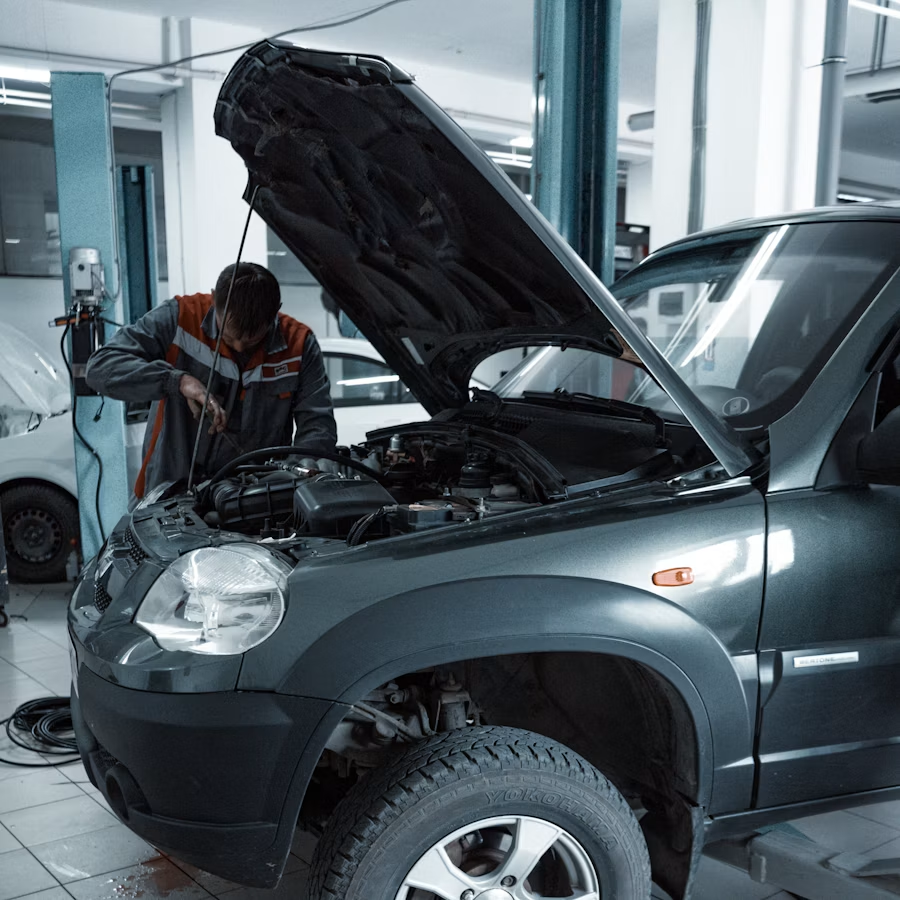
Check Engine & Diagnostics
A check engine light can have many possible causes. The light itself does not always tell you which component needs replacement.
A proper diagnostic process helps identify the system involved and determine what may be causing the problem. You may notice rough running, reduced performance, unusual engine behavior, or another warning light along with the check engine light.
That is where accurate diagnostics matter.
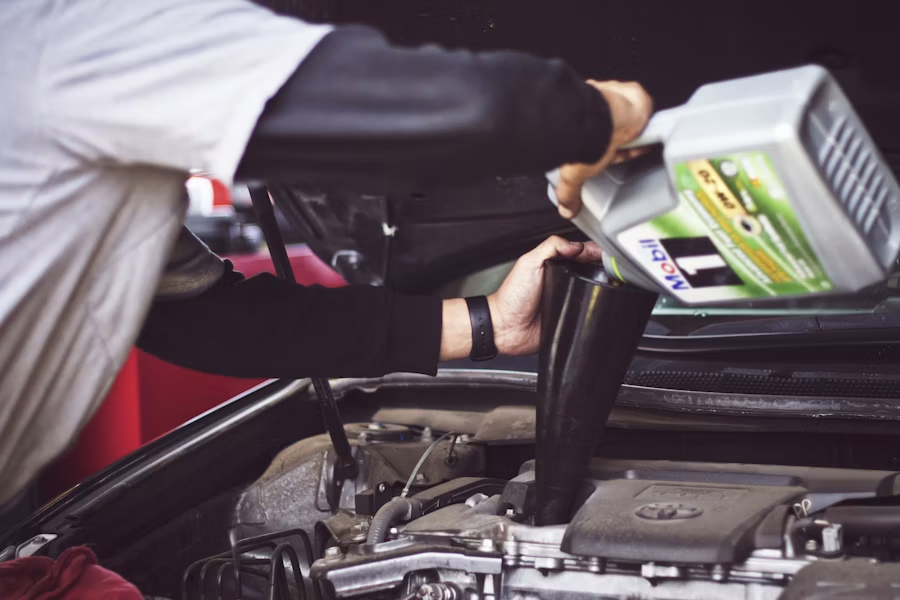
Oil & Scheduled Maintenance
Regular maintenance helps you stay ahead of common vehicle problems. Oil service is one part of that process. Scheduled maintenance can also involve inspections and other services recommended for your specific vehicle.
Maintenance needs vary by vehicle, driving conditions, mileage, and manufacturer recommendations. Following the appropriate schedule can help you catch developing issues before they become more complicated.
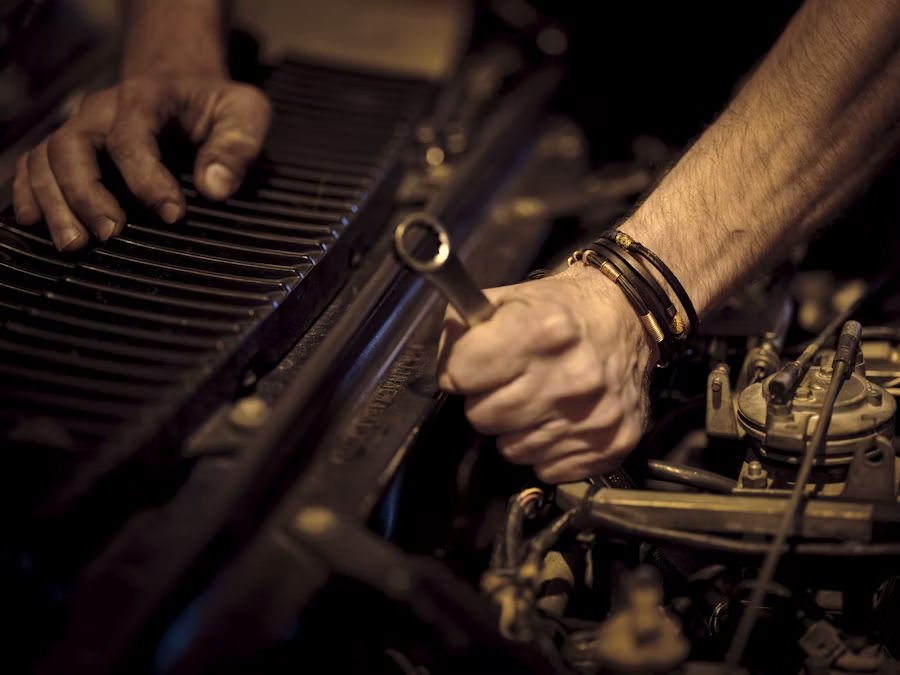
Timing Belt & Engine Repair
Timing belt problems can be serious because the belt plays an important role in engine operation. The recommended replacement interval depends on the vehicle and manufacturer.
Engine problems can also appear as rough running, unusual noises, poor performance, difficult starting, or other changes. Before replacing a component, the underlying problem should be identified.

Brakes & Rotors
You may hear squealing or grinding. You may notice vibration while braking. The vehicle may also pull, or the brake pedal may feel different than usual.
Several components can affect braking performance. The exact cause needs to be identified before deciding what repair is appropriate.
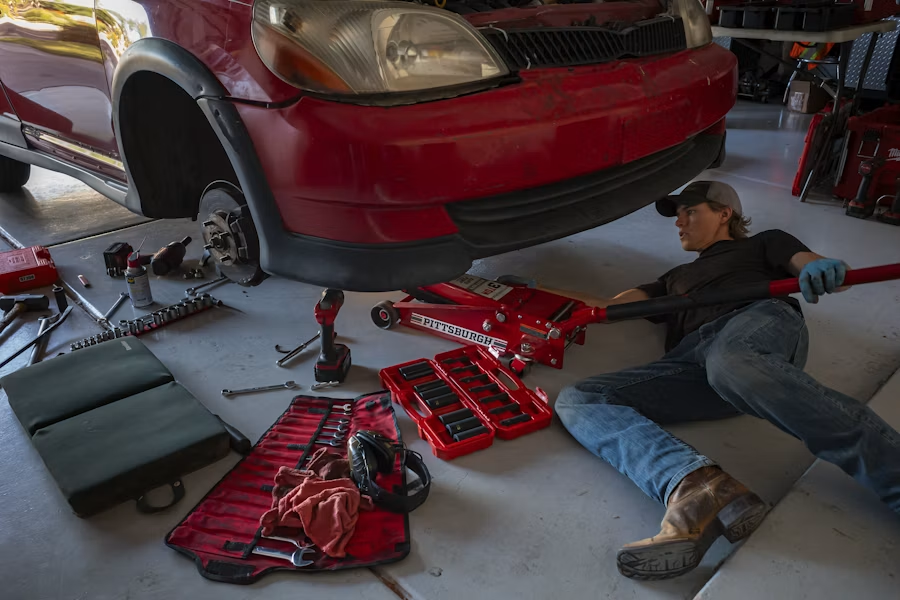
Clutch & Transmission
Clutch and transmission problems can affect how your vehicle accelerates, shifts, or responds to changes in speed. You might notice slipping, unusual noises, delayed engagement, or difficulty shifting.
The cause can vary depending on the vehicle and transmission system. That is why diagnosis matters before assuming a transmission needs major repair.
Suspension & Steering
A new vibration, unusual noise, pulling, wandering, or change in steering feel can be a reason to have the vehicle inspected, particularly after hitting a pothole or another road hazard.
The City of Spokane explains that freeze and thaw cycles can contribute to pothole formation. Those hard impacts may affect tires, wheels, steering, or suspension components.
Vehicle diagnostics
Vehicle Diagnostics in Spokane
A diagnostic scan is not always the same thing as a complete diagnosis. That distinction matters.
A scan can identify stored diagnostic trouble codes. Those codes provide useful information about a vehicle system or condition. They do not always identify the exact failed part.
A technician may need additional testing or inspection to understand why the code appeared, checking related components, wiring, sensors, system readings, or mechanical conditions.
Now, you might be wondering…
“Why not just replace the part connected to the code?”
Because the code may be a clue rather than the final answer.
A sensor can report a problem caused by another component. An electrical issue can create symptoms that look mechanical. A mechanical problem can also affect system readings.
If your vehicle has a check engine light, warning light, rough idle, starting problem, loss of power, unusual noise, or another unexplained symptom, professional diagnosis can help determine the next step.
Symptoms
What Is Your Vehicle Telling You?
Sometimes customers search for a repair service when they really need help identifying the problem. “Brake repair” because the car shakes when you stop. “Engine repair” because it feels weak. “Battery replacement” because it will not start.
The better question: what is causing the symptom?
01
Check Engine Light
A check engine light can have many causes. Some are relatively simple. Others require more investigation. A flashing light can be more urgent than a steady one. If the vehicle is running badly or showing other serious symptoms, avoid assuming it is safe to keep driving.
02
Car Will Not Start
A no-start condition can involve the battery, starter, charging system, fuel system, ignition system, electrical connections, or other causes. The symptoms before the failure can provide useful clues.
03
Strange Noise
Timing, speed, temperature, and driving conditions help identify where to investigate. Does it happen during braking? Turning? Acceleration? Cold starts? Rough roads? Small details help.
04
Vehicle Pulls or Shakes
A vehicle that pulls to one side or develops a new vibration may need inspection. Tires, wheels, steering, suspension, alignment, or other components may be involved. Do not assume an alignment is always the answer.
Local roads
Spokane Driving Conditions Deserve Attention
Spokane has a large network of established neighborhoods. The City of Spokane maintains neighborhood profiles and planning resources for communities throughout the city. For vehicle owners, the more important point is how local road and weather conditions affect daily driving.
Winter freeze and thaw cycles can contribute to potholes. Potholes can create hard impacts for tires, wheels, steering, and suspension components. So if your vehicle suddenly feels different after a rough impact, pay attention.
- A new vibration is worth checking.
- A steering change is worth checking.
- A tire that repeatedly loses pressure is worth checking.
Small symptoms do not always mean a major repair. But ignoring them can make diagnosis harder later.
Your visit
What Happens During an Auto Repair Visit?
The process should be straightforward.
1
You explain the problem
Tell us what you noticed: when it started, what makes it better or worse, and whether another repair happened recently.
2
The vehicle gets inspected
The inspection depends on the complaint. A brake concern requires a different approach from an electrical concern.
3
Diagnostic testing
Testing should match the problem. Not every vehicle needs the same diagnostic procedure.
4
Findings are explained
You deserve to understand what the inspection found. If more testing is needed, that should be explained too.
5
Repair options discussed
The right repair depends on the diagnosis, vehicle condition and parts involved. There is no honest one-size-fits-all answer.
6
Approved repairs completed
Repairs address the confirmed problem rather than replacing parts until something works.
7
Vehicle checked again
The goal is to address the original concern and verify the repair, not just install a component.
Start with step one. Tell us what you noticed.
Equipment
Diagnostic Equipment and Automotive Tools
Modern vehicle repair often requires more than a basic toolbox. Depending on the vehicle and problem, diagnosis can involve:
A diagnostic tool provides system information. A meter helps evaluate electrical conditions. Pressure testing helps investigate certain fluid or cooling concerns. Tools do not replace knowledge. They support the diagnostic process. The important part is using the right test for the problem.
Cost
Why Ignoring a Vehicle Problem Can Cost More
A small problem does not automatically become a major repair. But some problems can worsen when ignored.
- Cooling system problems can lead to overheating.
- Brake problems can affect braking performance.
- Charging problems can leave you unable to start.
- Tire & suspension concerns can affect handling.
Replacing parts without identifying the underlying problem can create unnecessary expense. That is why diagnosis deserves attention before repair decisions are made.
Why a professional
Why Choose a Professional Auto Repair Center?
You should not have to understand every automotive system before asking for help. You just need a clear explanation of what is happening with your vehicle. Good repair starts with good communication.
Replacing parts without confirming the problem can become expensive. A careful diagnostic approach gives you better information before you approve work. Cars are complicated machines and some faults take time to isolate. What matters is having a sensible process.
Details like these help guide the inspection:
“It makes a noise when I turn.”
“It only happens after the car warms up.”
“I recently hit a pothole.”
Service area
Areas We Serve in and Around Spokane
Our primary focus is auto repair and vehicle diagnostics in Spokane, Washington. Customers come to us from neighborhoods across the city, and some drive in from further afield.
Before driving in, call to confirm appointment availability and the services you need. That simple step can save you time.
Asking your phone?
“Where can I get my car diagnosed in Spokane?”
If you have a warning light, starting problem, brake concern, strange noise, or other vehicle issue, contact the shop to discuss the symptoms and the appropriate next step.
6321 N Nevada St, Spokane, WA 99208
(509) 315-4290
FAQ
Frequently Asked Questions About Auto Repair in Spokane
Anything else? Call the shop and ask directly.
It depends on the vehicle and symptom. Diagnostic work can include computer scanning, visual inspection, electrical testing, mechanical checks, or other testing.
Not always. A trouble code can point toward a system or condition. Additional testing may be needed to confirm the actual cause.
It depends on the situation. A steady light with normal vehicle operation differs from a flashing light or severe running problem. When symptoms are serious, professional advice is appropriate.
Brake components can cause vibration, but other vehicle problems can produce similar symptoms. An inspection can help identify the cause.
Tire, wheel, alignment, steering, suspension, or braking issues can contribute. The exact cause needs to be identified before choosing a repair.
A dead battery is one possibility. Starting, charging, fuel, ignition, and electrical problems can also create no-start conditions.
It depends on the vehicle, diagnosis, parts, labor, and repair required. A proper inspection gives you better information than a generic price estimate.
If you notice a new vibration, steering change, tire problem, or unusual noise afterward, having the vehicle inspected is sensible.
Follow the maintenance schedule recommended for your specific vehicle. Driving conditions, age, mileage, and vehicle use can affect maintenance needs.
Explain what happened, when it started, what conditions trigger it, warning lights you noticed, and any recent repair or road impact.
Simple Ways to Avoid Unnecessary Repair Costs
- Pay attention to changes.
- Do not ignore warning lights for months.
- Check your tire pressure regularly.
- Follow the manufacturer's maintenance schedule.
- Get a new vibration or steering issue checked after a big pothole.
- Keep your service records. A clear history makes future troubleshooting easier.
The bottom line
Your car does not need guesswork.
It needs the right information, the right inspection, and the right repair. Tell us what you noticed, ask what the inspection found, ask what repair is recommended and why. Then make an informed decision.